

AI patient follow-up helps recover these incomplete journeys through timely calls, WhatsApp messages and other approved channels. It can confirm appointments, explain administrative preparation instructions, reschedule collections and escalate sensitive questions. Pathology lab software remains the operational system, while AI helps diagnostic centres turn pending records into completed tests.
A patient books a fasting blood test for Saturday morning. The pathology lab software creates the appointment, records the test package and assigns a home-collection window.
On Friday evening, the patient wants to confirm whether water is permitted during the fasting period. The call centre is busy, no one responds quickly and the patient decides to postpone the test. By Monday, the booking appears as cancelled or incomplete.
Nothing failed inside the laboratory information workflow. The loss occurred in the communication surrounding it. Diagnostic centres often focus on booking volume, but the commercially meaningful outcome is a completed collection. Every unanswered question, unconfirmed time slot and missed callback creates distance between the two.
McKinsey’s recent healthcare analysis notes that providers are integrating AI agents with scheduling platforms to simplify access. This provides a useful model for diagnostic centres: retain dependable laboratory systems while adding a responsive patient-engagement layer.
Activate pathology lab software follow-ups.
What Is Pathology Lab Software?
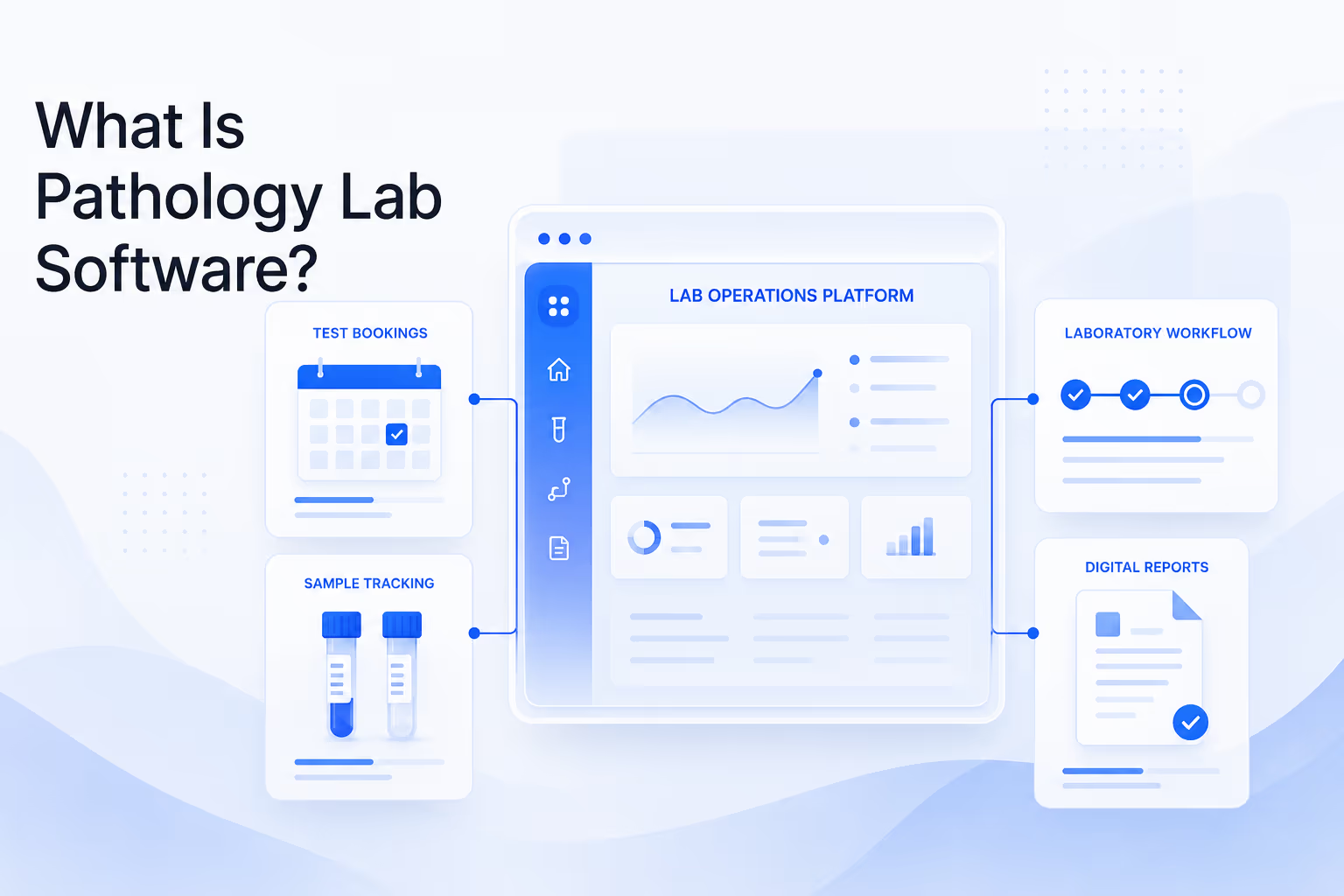
Pathology lab software helps diagnostic centres coordinate administrative and laboratory operations. Its scope varies from a basic booking and reporting platform to a complete laboratory information management system.
Typical capabilities include:
Pathology lab software for diagnostic centers gives teams visibility into the status of a test journey. It can show booked, collected, processing, approved or delivered.
However, status visibility does not guarantee patient action. A “pending” booking still requires somebody to understand the reason for the delay and help the patient proceed.
Enhance pathology lab software workflows.
Why Do Diagnostic Centres Lose Bookings Despite Having Lab Software?
Lab software primarily manages structured processes. Patients, by comparison, make decisions based on convenience, urgency, clarity, confidence and personal circumstances.
1. Preparation Instructions Remain Unclear
Some tests require fasting, medication-related precautions or time-specific collection. Patients may receive a standard instruction but still have questions.
Administrative AI can communicate only instructions approved by the diagnostic centre. Questions requiring clinical interpretation must be transferred to a qualified professional.
2. Home-Collection Windows Are Not Confirmed
A patient may submit a preferred time without receiving a clear confirmation. If the phlebotomist’s arrival window changes, the patient might become unavailable.
The booking exists in pathology lab software for booking management, but the coordination still depends on timely two-way communication.
3. Patients Compare Multiple Diagnostic Providers
Online booking makes it easy to enquire with more than one laboratory. The provider that responds first, answers questions clearly and confirms collection conveniently may win the booking.
4. Missed Calls Are Not Recovered Systematically
Call-centre teams may attempt to reach the patient once and move on. They may not know whether to retry, switch to WhatsApp or assign the lead to another team.
5. Follow-Up Begins Too Late
A generic reminder sent shortly before collection may not provide enough time to resolve preparation, payment or scheduling issues.
KPMG’s healthcare customer-experience findings stress the importance of segmenting patients and designing targeted experiences. A first-time patient, preventive-health customer and recurring chronic-care patient may require different follow-up journeys.
Recover pathology lab software bookings.
This blog is just the start.
Unlock the power of Callveriq’s AI with a live demo.

How Does AI Follow Up With Patients Who Do Not Complete a Test?
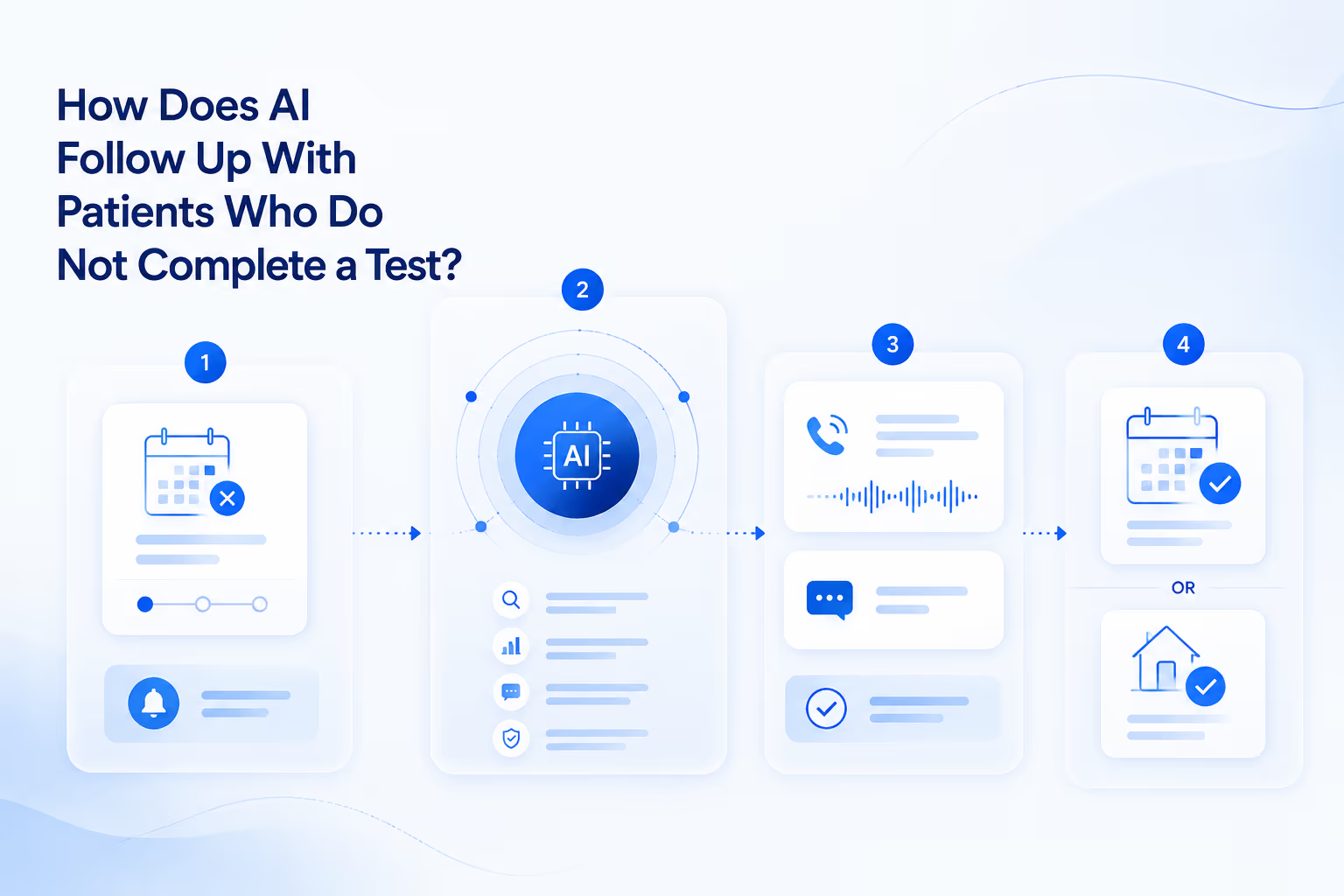
AI follow-up connects a pending event in the lab system with a structured communication workflow.
1. Confirming the Original Intent
The AI agent can ask whether the patient still intends to complete the test. The response helps separate genuine interest from cancellations, duplicate bookings or incorrect contact information.
2. Understanding the Barrier
Within approved boundaries, the agent can identify common obstacles such as:
- An unsuitable appointment time
- Unclear preparation instructions
- An unconfirmed home collection
- A payment problem
- A location question
- A request to change the package
- A preference for another communication channel
The objective is not to diagnose a medical issue. It is to clarify the operational reason preventing test completion.
3. Resolving Routine Requests
If connected to scheduling data, the AI can offer another approved slot or capture a preferred time. It can repeat authorised instructions, send location details or transfer the conversation to the relevant team.
4. Switching Channels Intelligently
Patients may not answer an unfamiliar call but may respond to a WhatsApp message. Others may prefer voice when the request is complicated.
A connected engagement layer can continue the same context across channels instead of restarting the conversation each time.
5. Updating the Booking Outcome
The result confirmed, rescheduled, declined, unreachable or escalated, should return to the connected system. This gives the diagnostic centre a cleaner view of its booking pipeline and prevents unnecessary repeated outreach.
Connect pathology lab software outreach.
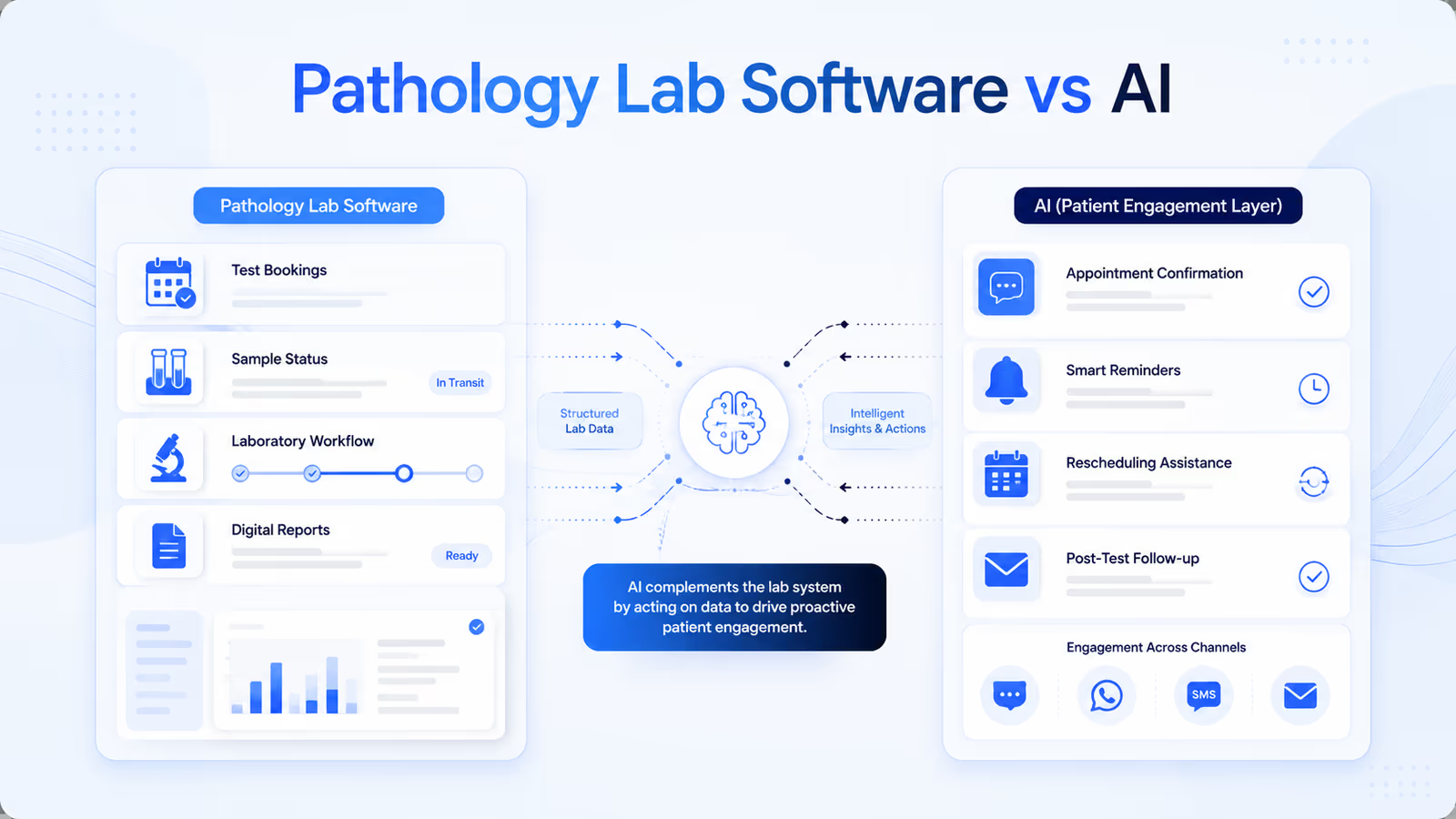
Pathology Lab Software vs Patient Engagement AI
The difference is similar to the distinction between workflow management and journey completion.
AI should not independently modify clinical instructions, interpret test results or recommend treatment. These activities belong to qualified healthcare professionals.
The two systems work together when the lab platform supplies accurate booking and workflow data and the engagement layer uses that data within defined communication guardrails.
Expand pathology lab software capabilities.
Where Callveriq Fits Into Diagnostic Patient Follow-Up
Callveriq can support diagnostic centres with automated, contextual conversations surrounding the laboratory journey. Potential workflows include:
- New-booking confirmation
- Home-collection coordination
- Incomplete-booking recovery
- Missed-appointment rescheduling
- Approved preparation reminders
- Payment follow-up
- Repeat-test reminders authorised by the centre
- Feedback collection
- Human handoff for clinical or sensitive questions
- Outcome updates in connected systems
Callveriq does not replace pathology lab software or laboratory professionals. It helps diagnostic centres act on the events recorded in their systems.
For example, when a home collection remains unconfirmed, Callveriq can contact the patient, capture the preferred slot and route exceptions to a coordinator. The laboratory system continues to manage the booking, sample and report.
A pilot can begin with one abandoned-booking segment. The centre can measure recovered collections, response time, rescheduling, handoff quality and patient opt-outs before extending automation.
Pair your pathology lab software with Callveriq.
How Diagnostic Centres Should Govern AI Follow-Up
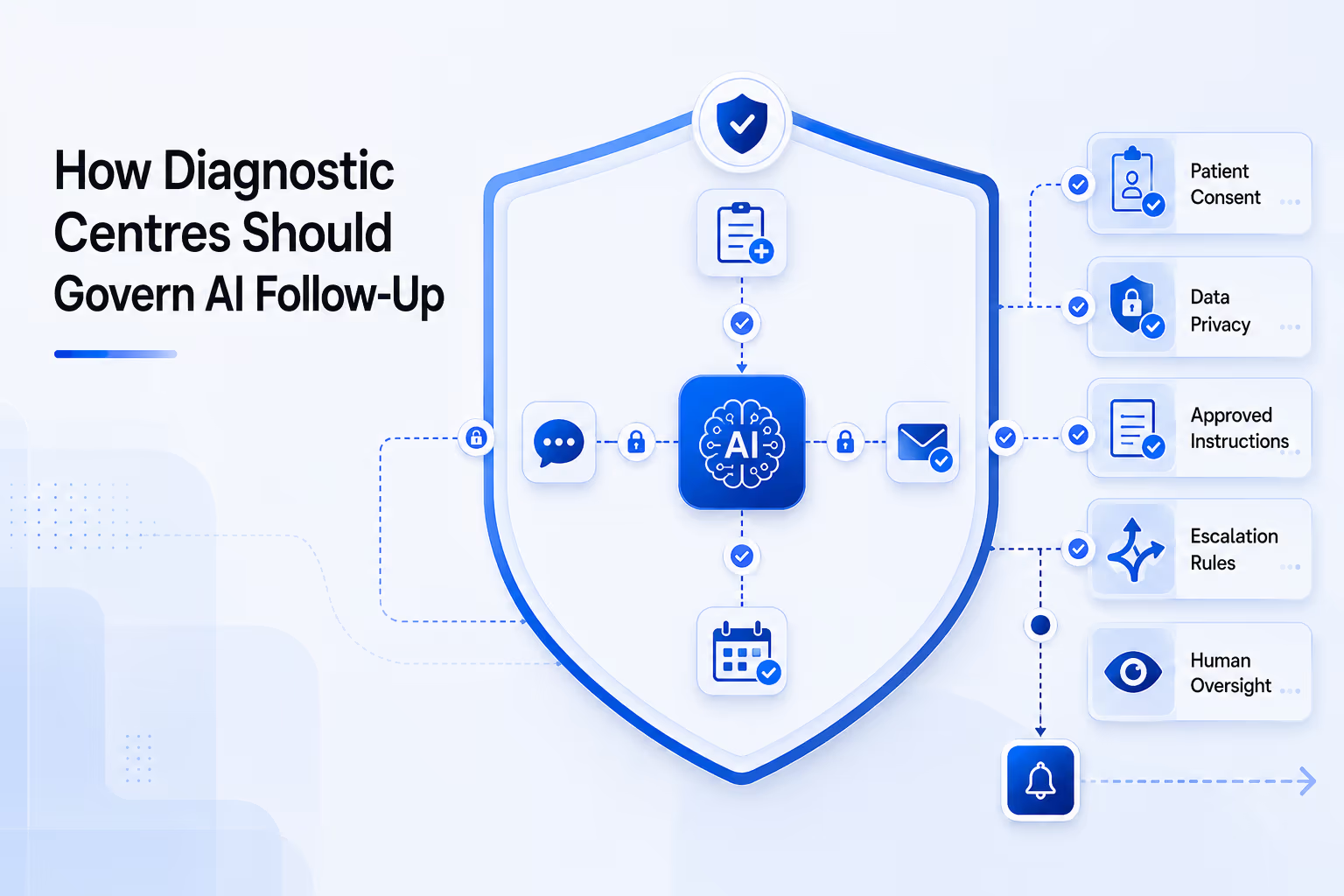
Patient communication must be designed around consent, privacy, accuracy and clear responsibility.
Salesforce’s 2026 Connected Health Consumer research found strong demand for human oversight of medical AI. This reinforces an important principle: automation should make access easier without obscuring accountability.
Gartner’s 2025 customer-service research predicts increasing use of conversational journeys, but healthcare deployments must apply stricter controls than ordinary retail interactions.
What Metrics Reveal Where Bookings Are Lost?
Diagnostic centres need to measure the complete funnel rather than only total enquiries and bookings.
These measurements help teams locate the actual point of loss. A low booking rate indicates a different problem from a high booking rate followed by poor collection completion.
The goal of pathology lab software with AI automation should not be to produce more calls or messages. It should improve the proportion of appropriate bookings that become completed tests without compromising patient trust.
What Is in It for You
Pathology lab software is essential for administering test catalogues, bookings, sample workflows, reports and billing. Yet diagnostic centres do not lose every booking because of an operational software failure. Many losses occur because patients encounter uncertainty or inconvenience between expressing intent and completing the collection.
AI patient follow-up addresses this gap by making communication faster, more consistent and easier to continue across channels. It can confirm intent, resolve approved administrative questions, reschedule appointments and direct sensitive cases to qualified staff.
The most reliable model keeps pathology lab software as the operational foundation and uses AI as the engagement layer. When connected carefully, the two systems give diagnostic centres more than booking visibility, they create a structured way to help patients complete the journey.
Transform pathology lab software follow-up. Book your Callveriq demo.
FAQs
1. Can AI send pathology reports directly to patients?
It can support secure report-delivery notifications, but access must follow the laboratory’s identity, privacy and consent controls.
2. Can patient engagement AI interpret diagnostic results?
No. Interpretation and clinical guidance must remain with qualified healthcare professionals.
3. Is AI follow-up suitable for home collections?
Yes. It can confirm availability, share approved instructions and escalate scheduling exceptions to a coordinator.
4. How many times should AI follow up on a missed booking?
The laboratory should define reasonable retry and channel limits based on consent, urgency and patient preferences.
5. Can independent diagnostic centres use AI follow-up?
Yes. They can start with a focused workflow without automating the entire laboratory journey.